Cheapest car insurance for electric vehicles has become a major concern as more drivers switch from conventional cars to electric models. While electric vehicles (EVs) offer long-term savings on fuel and maintenance, insurance premiums can sometimes feel unexpectedly high. Understanding how EV insurance works and how to lower your costs is essential to protecting both your vehicle and your finances without compromising coverage quality.
This guide provides an in-depth, practical explanation designed to help EV owners make informed decisions. By the end of this article, you will understand what influences EV insurance pricing, how to compare providers effectively, and how to secure affordable coverage tailored to your needs.
Car Insurance for Electric Vehicles
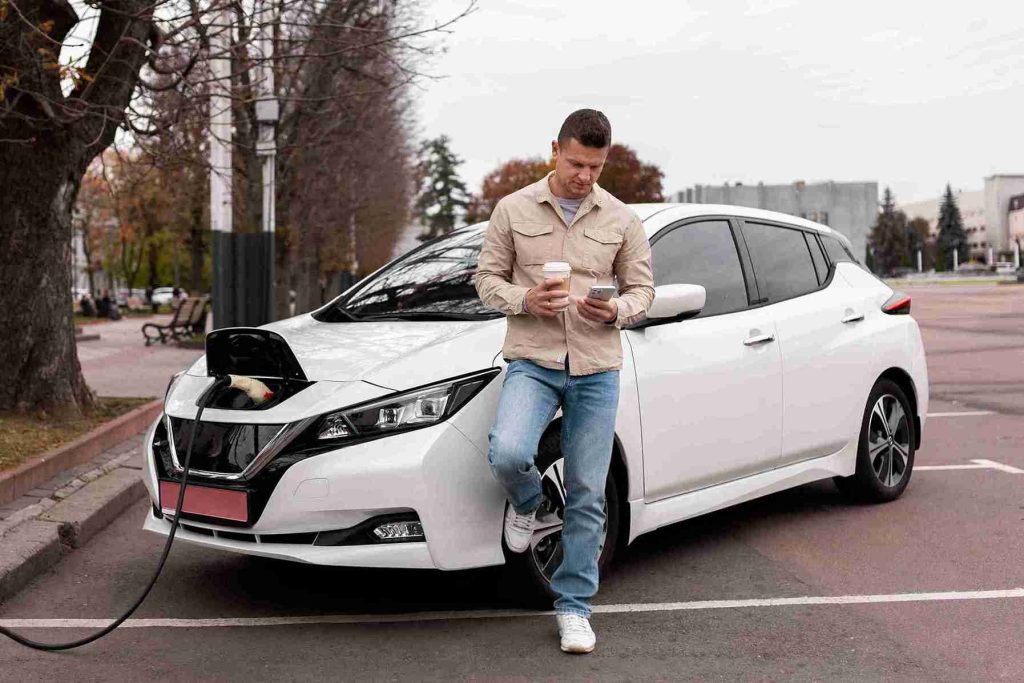
Electric vehicle insurance is structurally similar to insurance for gasoline-powered cars. It typically includes liability coverage, collision coverage, comprehensive protection, and optional add-ons. However, EVs introduce unique risk factors that insurers carefully assess.
Unlike traditional vehicles, electric cars rely heavily on advanced battery systems, complex electronics, and specialized repair processes. These factors can affect repair costs, replacement values, and ultimately insurance premiums. This is one reason many drivers search for the cheapest car insurance for electric vehicles without sacrificing essential protection.
Why Electric Vehicle Insurance Can Be More Expensive
Before looking for savings, it is important to understand why EV insurance may cost more in certain cases.
Electric vehicles often have higher upfront purchase prices, which increases the insurer’s potential payout in the event of a total loss. Battery packs alone can cost thousands of dollars to replace, even after minor accidents. Additionally, certified EV repair shops are less common, leading to higher labor costs.
Despite these challenges, insurance pricing varies significantly by provider. With proper research, drivers can still find cheap electric car insurance options that align with their budgets.
Key Factors That Affect EV Insurance Costs
Several variables influence how insurers calculate premiums for electric vehicles.
Vehicle model plays a major role. High-performance electric cars tend to have higher insurance rates than entry-level EVs designed for everyday commuting. Driving behavior, annual mileage, and location also impact pricing, especially in urban areas with higher accident rates.
Another critical factor is safety technology. Many electric vehicles come equipped with advanced driver-assistance systems, which can lower accident risks and help reduce insurance premiums. Insurers increasingly reward these features when determining the cheapest car insurance for electric vehicles.
Comparing Insurance Providers for Electric Cars
Finding affordable EV insurance requires comparing multiple insurers rather than accepting the first quote you receive.
Some providers specialize in eco-friendly or technology-driven vehicles, offering tailored policies for electric cars. These insurers often understand EV repair processes better and price their policies more competitively. Others may treat EVs as high-risk simply due to unfamiliarity.
When comparing options, look beyond the premium alone. Examine coverage limits, deductibles, claim handling reputation, and customer reviews. The cheapest policy is only valuable if it provides adequate protection when you need it most.
How to Lower the Cost of Electric Vehicle Insurance
Lowering your premium does not require reducing coverage quality. Instead, strategic decisions can help you access the cheapest car insurance for electric vehicles available in your market.
Choosing a higher deductible can significantly reduce monthly premiums, especially if you have a strong emergency fund. Bundling your EV insurance with home or renters insurance may also unlock multi-policy discounts.
Maintaining a clean driving record remains one of the most effective ways to secure affordable coverage. Many insurers offer usage-based or telematics programs that reward safe driving habits with lower rates, which can be particularly beneficial for EV owners.
The Role of Government Incentives and Discounts
In some regions, electric vehicle owners may qualify for insurance discounts tied to environmental initiatives. While government incentives usually focus on vehicle purchase subsidies or tax credits, certain insurers align their pricing models with sustainability goals.
These programs may include discounts for low emissions, reduced mileage, or participation in green driving initiatives. Taking advantage of these opportunities can further reduce your EV insurance costs over time.
Battery Coverage and Specialized EV Insurance Add-ons
One area where EV insurance differs significantly from traditional coverage is battery protection. Some insurers offer optional battery coverage that protects against damage, degradation, or electrical failure.
While this add-on may slightly increase premiums, it can save significant costs in the long run. Carefully evaluate whether battery coverage is included in standard policies or offered as an optional upgrade when searching for the cheapest car insurance for electric vehicles.
Cheap Electric Car Insurance vs. Adequate Coverage
Affordability should never come at the expense of adequate protection. Extremely low premiums may indicate limited coverage, high deductibles, or restrictive claim conditions.
Reliable EV insurance balances cost with comprehensive protection, including roadside assistance and coverage for charging equipment. Public charging stations introduce unique risks, such as electrical damage or vandalism, which should be addressed in a well-structured policy.
A careful review of policy details ensures that low-cost EV insurance remains practical and dependable.
Long-Term Cost Benefits of Insuring an Electric Vehicle
Although initial premiums may appear higher, electric vehicles often deliver long-term insurance savings. Lower accident rates due to advanced safety systems and reduced mechanical complexity can lead to fewer claims over time.
As EV adoption increases and repair infrastructure expands, insurers are gradually adjusting their pricing models. This trend is expected to make the cheapest car insurance for electric vehicles even more accessible in the coming years.
Choosing the Right Policy for Your Electric Vehicle
Selecting the right insurance policy involves aligning coverage with your driving habits and vehicle usage. Daily commuters, long-distance travelers, and urban drivers each face different risk profiles.
A policy tailored to your needs not only reduces costs but also enhances financial security. Working with insurers experienced in electric vehicles ensures transparency and accurate risk assessment.
Future Trends in Electric Vehicle Insurance
The EV insurance market is evolving rapidly. As technology advances, insurers are leveraging real-time data, AI-driven risk assessment, and predictive analytics to offer more personalized pricing.
These innovations will likely create new opportunities for affordable electric car insurance, rewarding safe driving behavior and responsible ownership. Staying informed about these trends helps drivers adapt and secure the most cost-effective policies available.
Final Thoughts
Finding the cheapest car insurance for electric vehicles is achievable with informed decision-making and strategic comparison. While EV insurance presents unique challenges, it also offers opportunities for long-term savings and innovation-driven pricing.
By understanding cost factors, evaluating insurers carefully, and prioritizing balanced coverage, electric vehicle owners can protect their investments without overpaying. As the EV landscape continues to grow, affordable and reliable insurance options will become increasingly accessible to drivers worldwide.