Best car insurance for electric vehicles is becoming an increasingly important topic as EV adoption accelerates worldwide. Electric cars offer efficiency, sustainability, and advanced technology, but they also introduce unique insurance considerations that differ from conventional gasoline-powered vehicles. Understanding how EV insurance works, what coverage matters most, and how to choose the right provider is essential for long-term financial protection and peace of mind.
As electric vehicles continue to evolve, insurance policies must also adapt to new risks, higher repair costs, and advanced components. This guide explores everything drivers need to know before selecting insurance for an electric car, from coverage essentials to cost-saving strategies.
Understanding Why Electric Vehicles Need Specialized Insurance
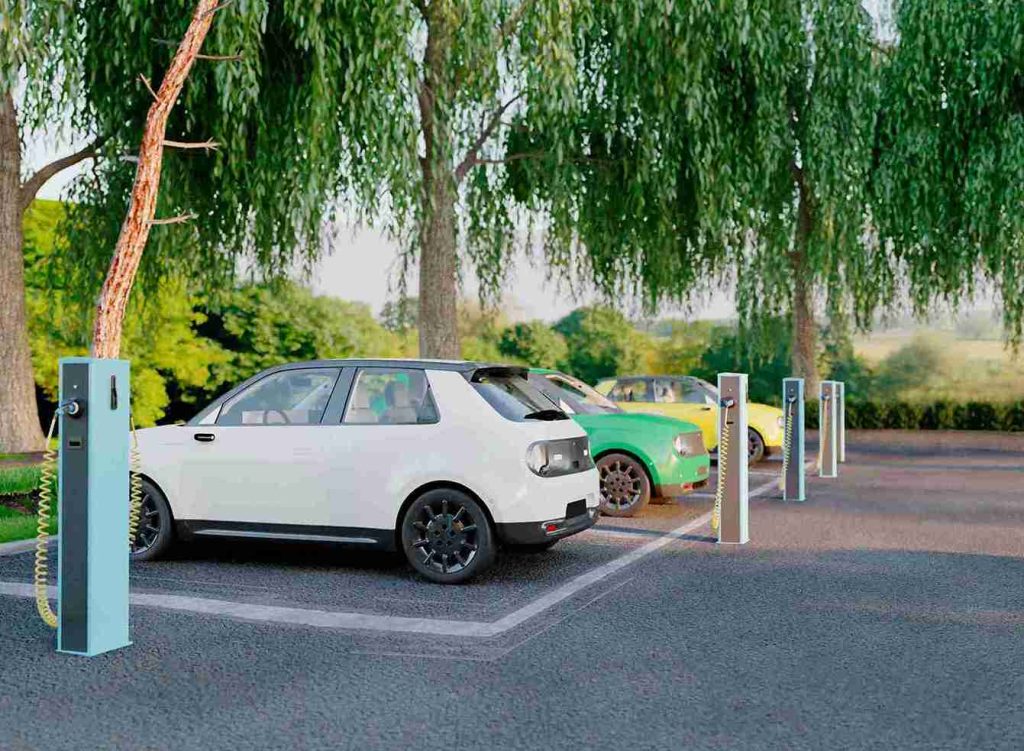
Electric vehicles are built with advanced systems that significantly differ from internal combustion cars. High-voltage batteries, regenerative braking systems, and complex software integrations require specialized repairs and certified technicians. As a result, insurers assess EVs differently when determining premiums and coverage terms.
The best car insurance for electric vehicles typically accounts for battery replacement costs, charging equipment coverage, and higher repair expenses. Unlike traditional vehicles, even minor collisions can result in costly repairs due to sensitive electronic components and limited repair networks.
Additionally, insurers evaluate EV-specific risks such as battery degradation, fire risks related to lithium-ion technology, and potential cyber vulnerabilities linked to connected vehicle systems.
Key Coverage Options Every EV Owner Should Consider
Selecting the right policy requires more than standard liability coverage. Electric vehicle owners should ensure their policy reflects the full value and complexity of their car.
Comprehensive coverage is essential, as it protects against theft, vandalism, natural disasters, and battery-related incidents. Collision coverage remains critical, especially given the high cost of EV body and battery repairs.
Many insurers offering the best car insurance for electric vehicles include optional battery coverage, which protects against damage, failure, or premature degradation not covered under manufacturer warranties.
Another important option is charging equipment coverage. Home charging stations can be expensive to repair or replace, and not all standard policies automatically include them.
How EV Insurance Costs Are Calculated
Insurance premiums for electric vehicles are influenced by several factors. Vehicle value plays a major role, as EVs often have higher purchase prices than comparable gasoline models. Replacement battery costs also significantly impact risk calculations.
Repair availability is another key factor. Since EV repair centers are still limited in some regions, insurers factor in longer repair times and higher labor costs. This directly affects the pricing of the best car insurance for electric vehicles.
Driver behavior, location, mileage, and driving history remain relevant, just as with conventional auto insurance. However, some insurers offer discounts for EV owners due to lower accident rates and environmentally responsible driving patterns.
Comparing EV Insurance to Traditional Car Insurance
While both EV and traditional car insurance share similar policy structures, the underlying risk profiles differ. Gas-powered vehicles have more mechanical components, whereas electric cars rely heavily on software and battery systems.
The best car insurance for electric vehicles often includes specialized endorsements not typically needed for traditional cars. These may include coverage for software updates, battery recycling costs, or roadside assistance tailored for EV charging needs.
Despite higher average premiums, EV insurance can sometimes be more cost-effective in the long term due to lower maintenance costs and fewer mechanical failures.
Factors to Evaluate When Choosing an EV Insurance Provider
Choosing the right insurer is just as important as selecting the right policy. Not all insurance companies have equal experience with electric vehicles.
Insurers that specialize in or actively support EV adoption tend to offer more comprehensive and transparent coverage. They often partner with certified repair networks and understand manufacturer-specific requirements.
When evaluating the best car insurance for electric vehicles, it is essential to review claim handling processes, battery replacement terms, and customer service ratings. Clear policy language and EV-specific expertise indicate a provider’s reliability and trustworthiness.
The Role of Safety Technology in EV Insurance
Electric vehicles are typically equipped with advanced driver assistance systems (ADAS), such as automatic emergency braking, lane-keeping assistance, and collision avoidance technology. These features can reduce accident frequency and severity.
Many insurers recognize this reduced risk and offer lower premiums for vehicles equipped with robust safety systems. As a result, safety technology plays a direct role in determining eligibility for the best car insurance for electric vehicles.
However, these systems can be expensive to recalibrate after an accident, which insurers factor into repair cost estimates. This balance between reduced risk and higher repair costs shapes EV insurance pricing models.
Common Mistakes EV Owners Make When Buying Insurance
One common mistake is assuming standard auto insurance fully covers electric vehicles. Many drivers overlook battery coverage limitations or charging equipment exclusions until they file a claim.
Another issue is underinsuring the vehicle’s value. Electric cars depreciate differently, and battery health can significantly affect resale value. Selecting insufficient coverage can result in financial loss during total-loss claims.
Failing to compare providers is also a frequent error. The best car insurance for electric vehicles varies widely between insurers, and comparing policy details is essential for securing optimal protection.
Tips to Lower Electric Vehicle Insurance Premiums
While EV insurance can be more expensive, there are ways to manage costs effectively. Maintaining a clean driving record remains one of the most reliable methods to reduce premiums.
Bundling auto insurance with home or renters insurance can unlock multi-policy discounts. Some insurers also offer eco-friendly discounts or incentives for low annual mileage.
Installing anti-theft systems, parking in secure locations, and choosing higher deductibles can further reduce costs. Selecting insurers experienced in EV coverage increases the likelihood of finding competitively priced policies.
Future Trends in Electric Vehicle Insurance
As EV adoption grows, insurance models are expected to evolve. Usage-based insurance, which tracks driving behavior through telematics, is becoming more common among electric vehicle owners.
Battery leasing, autonomous driving features, and over-the-air software updates will also influence how insurers assess risk. The best car insurance for electric vehicles in the future will likely emphasize flexibility, data-driven pricing, and integrated digital services.
Regulatory developments and manufacturer partnerships may further standardize EV insurance offerings, making coverage more accessible and transparent for consumers.
Conclusion
Choosing the right insurance for an electric vehicle requires a clear understanding of both automotive technology and insurance fundamentals. Electric cars introduce new risks, higher repair costs, and unique coverage needs that traditional policies may not fully address.
By carefully evaluating coverage options, insurer expertise, and cost factors, drivers can secure reliable protection that aligns with their vehicle’s value and usage. The best car insurance for electric vehicles is not simply the cheapest option, but the one that delivers comprehensive coverage, clear terms, and long-term peace of mind.
As electric mobility continues to expand, informed insurance decisions will play a crucial role in protecting both drivers and their investments.