Why is hybrid car insurance so high is a common question among drivers who are considering switching to more fuel-efficient and environmentally friendly vehicles. Hybrid cars are widely promoted as a smart long-term investment due to lower fuel consumption and reduced emissions.
However, many owners are surprised when they receive insurance quotes that are noticeably higher than those for conventional gasoline vehicles. This article explains the key reasons behind higher hybrid car insurance costs and helps you understand whether those premiums are justified.
The Growing Popularity of Hybrid Vehicles
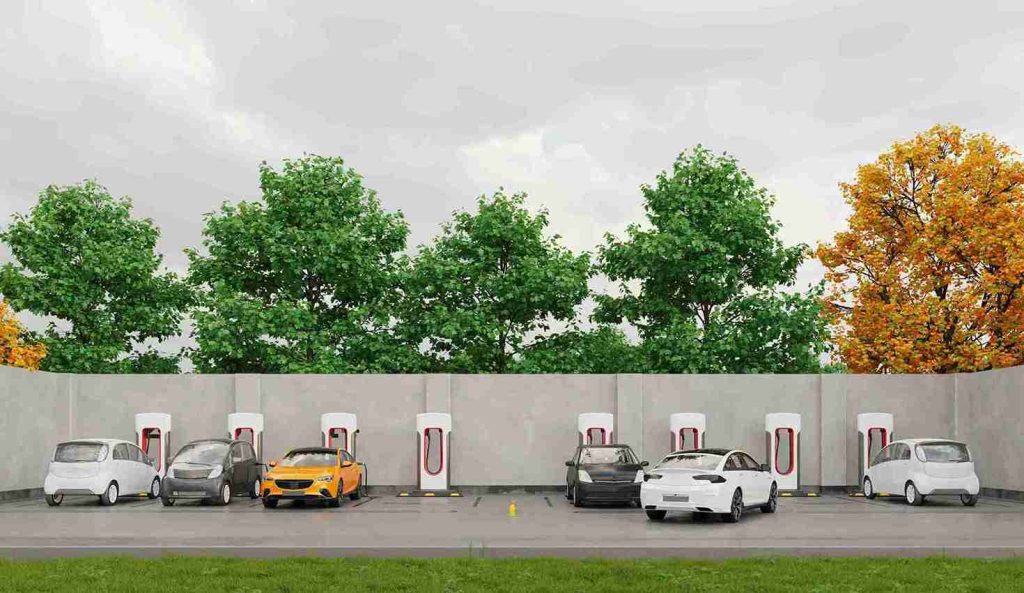
Hybrid vehicles have become increasingly popular in recent years, driven by rising fuel prices, environmental awareness, and government incentives. These cars combine a traditional internal combustion engine with an electric motor, offering better fuel efficiency and lower emissions.
Despite these benefits, insurance providers evaluate risk differently than consumers do. While hybrid vehicles are efficient and technologically advanced, insurers consider factors such as repair costs, replacement parts, and claim frequency. This difference in perspective helps explain why is hybrid car insurance so high compared to standard vehicles.
Advanced Technology Increases Repair Costs
One of the primary reasons hybrid car insurance premiums are higher is the advanced technology used in these vehicles. Hybrid systems include high-voltage batteries, electric motors, regenerative braking systems, and complex electronic controls.
When an accident occurs, repairing a hybrid car often requires specialized diagnostic tools and technicians with advanced training. These requirements significantly increase labor costs. Even minor collisions can lead to expensive repairs, which raises the overall risk for insurers and contributes to why is hybrid car insurance so high for many models.
Expensive Battery Replacement and Components
Hybrid batteries are among the most costly components in these vehicles. While manufacturers design them to last many years, damage caused by accidents or electrical failures can result in extremely high replacement costs.
Insurance companies factor in the potential expense of battery replacement when calculating premiums. In some cases, a damaged battery can cost more than repairing a traditional engine component. This financial risk is another important factor behind why is hybrid car insurance so high, especially for older hybrid models with out-of-warranty batteries.
Limited Availability of Replacement Parts
Another contributor to higher hybrid car insurance rates is the limited availability of replacement parts. Unlike conventional vehicles, which have widely available components, hybrid cars often rely on manufacturer-specific parts.
If replacement parts need to be imported or sourced from specialized suppliers, repair times increase. Longer repair periods lead to higher rental car costs and claim expenses for insurers. These additional costs help explain why is hybrid car insurance so high compared to standard vehicles with easily accessible parts.
Specialized Repair Facilities and Skilled Labor
Not all auto repair shops are equipped to handle hybrid vehicles safely. High-voltage systems require strict safety procedures, and technicians must be certified to work on hybrid components.
Insurance providers take this into account when setting premiums. Limited repair facility options mean higher repair bills and longer claim durations. As a result, insurers adjust their pricing models, reinforcing why is hybrid car insurance so high in many regions.
Higher Vehicle Value Leads to Higher Coverage Costs
Hybrid vehicles often have higher purchase prices than comparable gasoline cars. Since insurance premiums are partly based on the vehicle’s market value, more expensive cars generally cost more to insure.
Comprehensive and collision coverage premiums increase as vehicle value rises. This is especially true for newer hybrid models equipped with advanced driver-assistance systems. Higher insured value is a direct contributor to why is hybrid car insurance so high, even when drivers have clean records.
Claim Frequency and Driving Behavior Data
Insurance companies rely heavily on statistical data when assessing risk. Some studies indicate that hybrid vehicles are more frequently involved in low-speed accidents, particularly in urban environments where hybrids are commonly driven.
Additionally, the quiet operation of electric motors at low speeds may increase the risk of pedestrian incidents. These factors influence claim frequency data, which insurers use to justify higher premiums. This data-driven approach further supports why is hybrid car insurance so high in many insurance markets.
Advanced Safety Features Can Be a Double-Edged Sword
Hybrid vehicles are often equipped with cutting-edge safety and driver-assistance technologies, such as adaptive cruise control, lane-keeping systems, and collision avoidance sensors.
While these features can reduce accident severity, they are expensive to repair or recalibrate after a collision. Even minor bumper damage may require sensor realignment, increasing repair costs. This paradox helps clarify why is hybrid car insurance so high despite the presence of advanced safety systems.
Geographic Location and Insurance Regulations
Insurance costs vary significantly by location. Urban areas with higher traffic density, theft rates, and accident frequency tend to have higher premiums. Hybrid cars are more popular in cities, which may contribute to increased insurance rates.
In addition, regional insurance regulations and labor costs influence premium calculations. These external factors further explain why is hybrid car insurance so high in certain locations compared to rural areas.
Are Hybrid Cars Always More Expensive to Insure?
Although hybrid car insurance can be higher, it is not universally expensive for all drivers. Factors such as driving history, vehicle model, safety ratings, and insurer competition play a significant role.
Some hybrid models with strong safety records and lower repair costs may have insurance rates comparable to traditional vehicles. However, on average, the combined impact of technology, repair complexity, and vehicle value explains why is hybrid car insurance so high for many drivers.
How to Reduce Hybrid Car Insurance Costs
There are practical steps hybrid owners can take to lower their insurance premiums. Comparing quotes from multiple insurers is essential, as pricing models vary widely. Choosing higher deductibles, bundling policies, and maintaining a clean driving record can also help reduce costs.
Additionally, some insurers offer discounts for eco-friendly vehicles or low annual mileage. Understanding policy details and coverage needs can make hybrid car insurance more manageable in the long term.
Long-Term Cost Considerations
While insurance premiums for hybrid vehicles may be higher, overall ownership costs can still be competitive. Fuel savings, tax incentives, and reduced maintenance expenses can offset insurance costs over time.
Evaluating total cost of ownership rather than focusing solely on insurance premiums provides a more balanced perspective. For many drivers, the environmental and fuel benefits outweigh the higher insurance costs.
Conclusion
Understanding the factors behind hybrid car insurance pricing helps consumers make informed decisions. Advanced technology, expensive components, specialized repairs, and higher vehicle values all contribute to increased premiums. When viewed through the lens of risk assessment and long-term costs, the question of why is hybrid car insurance so high becomes clearer and more rational.