Do hybrid cars have higher insurance is a question many buyers ask before switching from conventional gasoline vehicles to more environmentally friendly options. As hybrid technology becomes increasingly common, insurance considerations play a critical role in total ownership costs. Understanding how insurers assess hybrids beyond simple fuel efficiency helps consumers make informed, financially sound decisions.
Understanding How Car Insurance Premiums Are Calculated
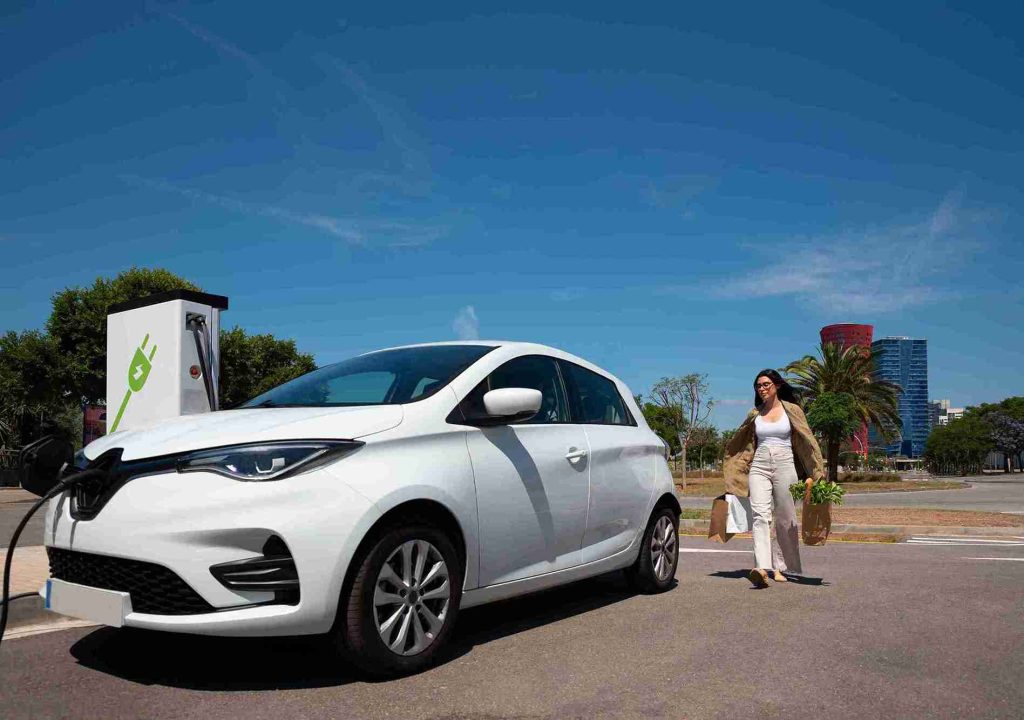
To answer whether do hybrid cars have higher insurance, it is essential to understand how insurance premiums are structured. Insurers evaluate multiple variables, including vehicle value, repair costs, safety performance, theft risk, and driver behavior. Hybrids are assessed using the same core framework as conventional vehicles, but certain technical characteristics can influence the final premium.
Insurance companies rely on historical claims data and actuarial models. Vehicles that are more expensive to repair or replace generally carry higher premiums. However, insurance pricing is rarely determined by a single factor; rather, it reflects a balance between risk exposure and loss probability.
Repair Costs and Specialized Components
One of the main reasons consumers wonder do hybrid cars have higher insurance is the perception that hybrids are more expensive to repair. Hybrid vehicles contain advanced electrical systems, dual powertrains, and specialized components that may require certified technicians. Labor rates at authorized service centers can be higher, which may increase claim severity.
That said, as hybrid adoption grows globally, repair networks have expanded significantly. Many insurers now have established agreements with repair shops experienced in hybrid systems, which helps control costs. For popular hybrid models, replacement parts are becoming more standardized, reducing long-term insurance impacts.
Battery Technology and Insurance Risk
Another critical factor influencing do hybrid cars have higher insurance is the hybrid battery system. High-voltage batteries are costly components, and early hybrid models did raise concerns among insurers. Today, however, battery reliability has improved substantially, and many manufacturers offer extended warranties of up to eight or ten years.
From an insurance perspective, battery-related claims are relatively rare compared to collision damage. As a result, insurers increasingly treat hybrid batteries as a managed risk rather than a premium-driving liability.
Safety Ratings and Accident Prevention
Safety performance plays a significant role when assessing do hybrid cars have higher insurance costs. Most hybrid vehicles are equipped with advanced safety features such as collision avoidance systems, lane-keeping assist, adaptive cruise control, and automatic emergency braking.
These features reduce accident frequency, which can offset higher repair expenses. Vehicles with strong crash-test ratings and proven safety records often qualify for lower premiums, regardless of drivetrain type. In many cases, hybrid models outperform their gasoline counterparts in safety evaluations.
Driver Demographics and Usage Patterns
Insurance pricing is also influenced by driver behavior, which is why do hybrid cars have higher insurance cannot be answered without considering who typically drives them. Hybrid owners often fall into lower-risk categories, including urban commuters and environmentally conscious drivers who prioritize cautious driving.
Statistical data suggests that hybrid drivers file fewer high-severity claims on average. This behavioral trend can positively affect insurance pricing, especially for drivers with clean records and low annual mileage.
Vehicle Value and Replacement Costs
Another variable connected to do hybrid cars have higher insurance is the vehicle’s market value. Hybrids often have higher upfront prices due to advanced technology, which can increase comprehensive and collision coverage costs. However, depreciation rates for hybrids tend to be more stable, especially for well-known brands with strong resale value.
Lower depreciation can benefit insurers, as total loss payouts may be more predictable. Over time, this stability can help normalize insurance premiums.
Comparing Hybrids, Gasoline Cars, and Electric Vehicles
When analyzing do hybrid cars have higher insurance, it is useful to compare them with both gasoline vehicles and fully electric cars. Gasoline cars typically have lower repair complexity, while electric vehicles often have the highest insurance premiums due to battery replacement costs and limited repair infrastructure.
Hybrids sit between these two categories. While they are more complex than gasoline cars, they do not rely solely on large battery packs like electric vehicles. As a result, hybrid insurance premiums are often moderate rather than excessive.
Ways to Lower Insurance Costs for Hybrid Cars
For those concerned about do hybrid cars have higher insurance, there are practical strategies to manage premiums effectively. Choosing a hybrid model with strong safety ratings, installing anti-theft devices, and maintaining a clean driving record can significantly reduce insurance costs.
Bundling auto insurance with other policies, selecting higher deductibles, and comparing multiple insurers are also effective approaches. Many insurance providers now offer eco-vehicle discounts or usage-based pricing, which can further benefit hybrid owners.
Long-Term Trends in Hybrid Insurance Pricing
The long-term outlook regarding do hybrid cars have higher insurance is increasingly favorable. As hybrid technology becomes mainstream, insurers gain more data, repair costs stabilize, and competition among providers intensifies. These factors contribute to more competitive pricing and better coverage options.
Additionally, government incentives and sustainability initiatives may indirectly influence insurance markets by encouraging safer, lower-emission vehicles.
Conclusion
Ultimately, do hybrid cars have higher insurance depends on a combination of vehicle design, repair infrastructure, driver profile, and insurer policies. While hybrids may carry slightly higher premiums in some cases, these costs are often balanced by superior safety features, lower accident rates, and long-term reliability. For many drivers, hybrid insurance costs are comparable to or even lower than those of conventional vehicles when evaluated holistically.