How do the hybrid cars work is a question many drivers ask as hybrid vehicles become increasingly common on city streets and highways worldwide. Hybrid cars combine traditional fuel engines with electric motors to improve efficiency without changing daily driving habits. Modern hybrid systems are designed to operate automatically without requiring technical knowledge from the driver.
Understanding how these systems function in real world conditions helps buyers make informed decisions about cost savings performance and maintenance. This article explains how do the hybrid cars work through ten practical explanations based on everyday driving situations.
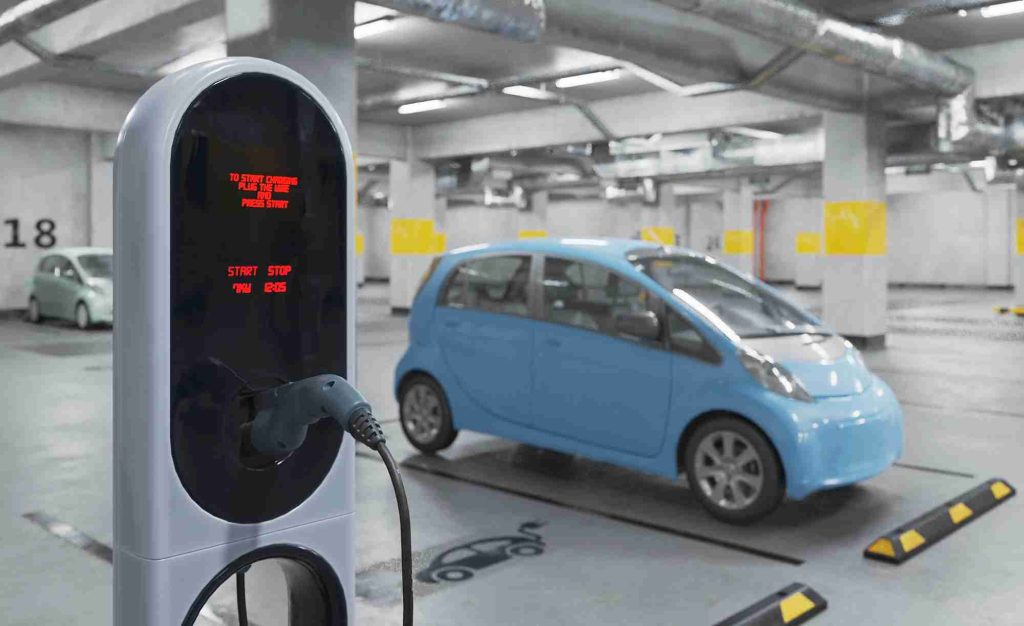
1. Hybrid Cars Use Two Power Sources Together
One of the most basic explanations of how do the hybrid cars work is the use of two power sources operating in coordination. Hybrid vehicles combine an internal combustion engine with an electric motor to share driving responsibilities.
At lower speeds the electric motor often handles propulsion to reduce fuel usage. When higher power is needed the gasoline engine assists or takes over seamlessly. This cooperation improves efficiency without requiring manual control from the driver.
2. Electric Motors Handle Low Speed Driving
In real world city traffic how do the hybrid cars work becomes most noticeable during low speed conditions. Hybrid cars frequently rely on electric motors when starting from a stop or moving slowly in traffic.
Electric motors deliver instant torque which improves smooth acceleration. This reduces fuel consumption during stop and go driving where conventional engines are least efficient. As a result hybrids perform exceptionally well in urban environments.
3. Gasoline Engines Support High Speed Travel
A key part of how do the hybrid cars work involves switching power sources during highway driving. At higher speeds gasoline engines operate more efficiently than electric motors alone. Hybrid systems detect this condition and rely more heavily on the fuel engine.
The electric motor may still assist during acceleration or climbing hills. This balance ensures optimal fuel usage without sacrificing performance.
4. Regenerative Braking Recharges The Battery
Regenerative braking is one of the most important concepts behind how do the hybrid cars work. When the driver applies the brakes the electric motor switches roles and acts as a generator.
Energy normally lost as heat during braking is converted into electricity. This electricity is stored in the hybrid battery for later use. Regenerative braking significantly improves overall energy efficiency during daily driving.
5. Hybrid Batteries Recharge Automatically
Many drivers wonder how do the hybrid cars work without external charging. Standard hybrid vehicles recharge their batteries automatically through regenerative braking and engine operation.
The gasoline engine can generate electricity when battery levels are low. Drivers do not need to plug in the vehicle or monitor battery levels manually. This design keeps hybrid ownership simple and convenient.
6. Smart Computers Control Power Distribution
Advanced onboard computers play a major role in how do the hybrid cars work efficiently. These systems constantly monitor speed throttle input battery charge and driving conditions. Based on real time data the computer decides when to use electric power gasoline power or both.
Transitions between power sources happen smoothly without driver awareness. This automation ensures optimal efficiency in all driving scenarios.
7. Hybrid Cars Reduce Fuel Consumption Naturally
Understanding how do the hybrid cars work explains why fuel consumption drops significantly. Electric motors reduce the workload on gasoline engines during inefficient driving phases. Less fuel is burned during idling acceleration and low speed operation.
Over time this leads to noticeable fuel savings without changing driving behavior. Many owners experience improved mileage immediately after switching to a hybrid vehicle.
8. Hybrid Systems Improve Engine Longevity
Another overlooked benefit of how do the hybrid cars work is reduced engine wear. Gasoline engines in hybrid vehicles operate less frequently and under more efficient conditions. Electric motors handle tasks that typically strain engines such as starting from rest.
This reduces long term mechanical stress. As a result hybrid engines often demonstrate strong durability over extended ownership periods.
9. Hybrid Cars Adapt To Different Driving Styles
Hybrid technology is designed to respond dynamically which helps explain how do the hybrid cars work in real world conditions. Aggressive acceleration may trigger combined engine and motor power.
Gentle driving encourages electric only operation whenever possible. The system continuously adapts without requiring driver input. This flexibility allows hybrids to perform well across various driving habits.
10. Hybrid Vehicles Require Minimal Behavior Changes
One reason hybrids have gained popularity is how do the hybrid cars work without disrupting daily routines. Drivers refuel hybrids just like traditional cars.
No special driving techniques are required to achieve efficiency gains. Maintenance routines remain familiar for most owners. This ease of use makes hybrid vehicles accessible to a wide range of consumers.
Conclusion
Understanding how do the hybrid cars work reveals why they perform so well in real world driving environments. Hybrid systems intelligently combine electric and gasoline power to reduce fuel consumption without sacrificing performance. Automatic power management regenerative braking and adaptive technology work together seamlessly behind the scenes.
These vehicles offer practical benefits including fuel savings reduced emissions and long term reliability. For drivers seeking efficiency without complexity hybrid cars represent a balanced and future focused solution.
Read more: 10 SUV Best Hybrid Cars That Deliver Power Efficiency And Long Term Savings